

Alcobev industry embraces sustainability to cut carbon footprint
Alcobev industry embraces sustainability to cut carbon footprint
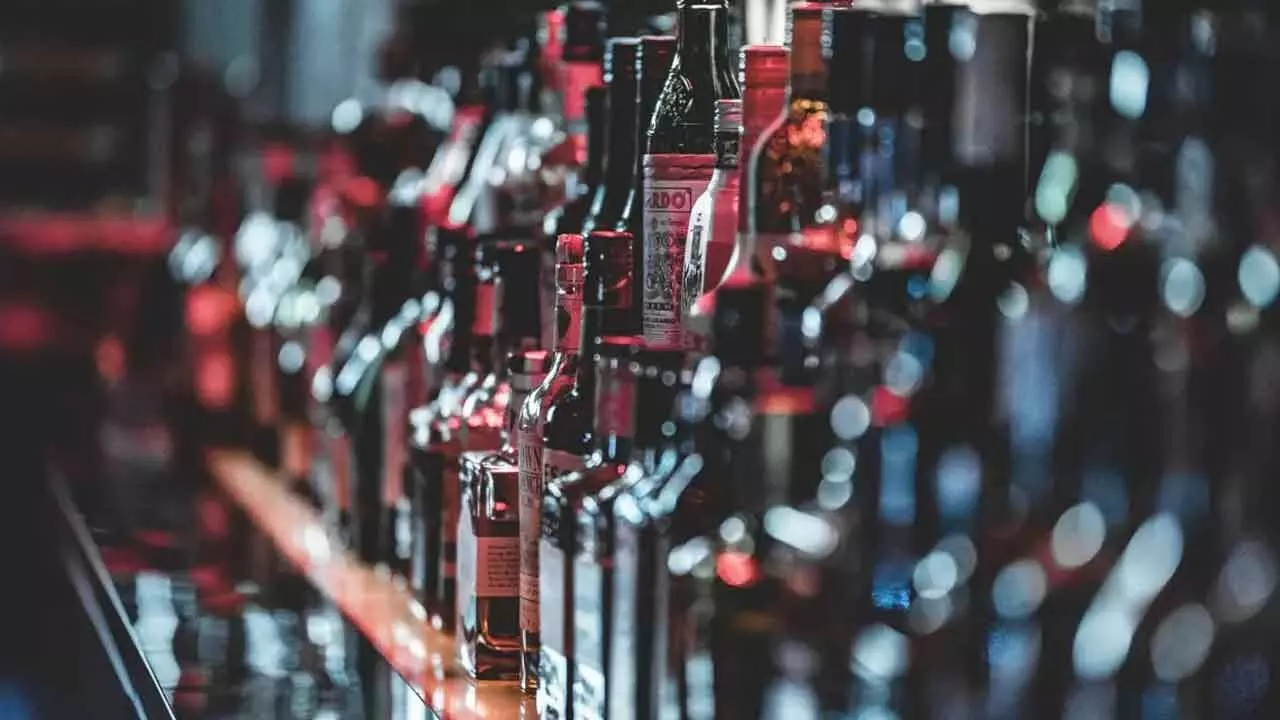
Sustainability in the alcoholic beverage (alcobev) industry increasingly focuses on reducing environmental impact through eco-friendly farming, water conservation, and sustainable packaging solutions such as lightweight glass and cellulose-fiber bottles.
Key initiatives include adopting renewable energy, implementing circular economy practices such as waste-to-energy and waste-to-feed, and pursuing net-zero emission targets to meet growing consumer demand for environmentally responsible products.
The alcoholic beverage industry has traditionally been associated with luxury and indulgence. However, as global awareness of environmental issues rises, the sector is facing increasing pressure to adopt sustainable practices. Conventional packaging methods in the industry often involve excessive use of single-use materials, making the alcobev sector a notable contributor to waste generation and carbon emissions.
With consumers steadily shifting toward sustainable and environmentally friendly products, companies are now exploring eco-friendly alternatives in packaging. By doing so, they can meet the expectations of environmentally conscious consumers while also demonstrating a commitment to environmental stewardship and responsible business practices.
Eco-friendly packaging aims to reduce waste, minimize carbon footprints, and preserve natural resources, ultimately reshaping the alcoholic beverage industry and transforming the way products are presented to consumers. Traditional packaging methods in the sector have typically relied heavily on single-use materials, resulting in substantial waste generation.
Eco-friendly packaging offers an alternative that can significantly reduce this environmental burden. Materials such as recycled paper, biodegradable plastics, and plant-based fibers are increasingly being used to develop packaging solutions that are both sustainable and visually appealing.
By embracing eco-friendly packaging, companies can actively contribute to waste reduction efforts. These materials generally have a lower environmental impact because they decompose more quickly and generate fewer greenhouse gas emissions than conventional non-biodegradable materials.
In addition, innovative packaging designs can improve recyclability and encourage reuse, further strengthening sustainability efforts within the industry.
A notable example is Signal 7 Wines, which uses cellulose-fiber paper bottles. These bottles are made from 94 per cent recycled paperboard and are completely free from harmful chemicals, highlighting the company’s commitment to environmentally friendly packaging solutions. The Indian alcoholic beverage industry is also a major economic contributor.
The market is projected to grow steadily at a compound annual growth rate (CAGR) of around 7 per cent, reaching approximately USD 73 billion by 2027. Spirits currently dominate the market, accounting for about USD 34 billion in 2023, while beer, wine, and imported alcoholic beverages also contribute significantly.
Despite its economic importance, the industry faces challenges related to its environmental footprint. In recent years, there has been an increasing focus on sustainability across the sector, with many companies launching initiatives aimed at decarbonisation and resource efficiency.
Diageo India, for instance, has set ambitious environmental targets. By 2030, the company aims to reduce water usage by 50 per cent, having already achieved a 43 per cent reduction as of 2023, cut carbon emissions by 75 per cent (currently at 56 per cent reduction), and increase recycled content in packaging to 70 per cent compared with its 2020 baseline.
The company is also working toward achieving zero waste to landfill as part of its waste management strategy. United Breweries Limited (UBL) has also implemented several environmental initiatives. Nineteen of its breweries use agricultural waste as a fuel source, while three breweries rely on wind energy for 75 per cent of their power requirements.
The company is also working toward replacing 10–14 per cent of its energy needs with rooftop solar installations. Additionally, UBL has undertaken water conservation measures such as process optimisation, rainwater harvesting, and a goal of improving water efficiency by 50 per cent by 2030.
These environmental initiatives are helping set benchmarks for sustainability across industries. CEOs and business leaders seeking to strengthen sustainability practices can draw inspiration from such efforts to implement meaningful and impactful changes within their own organisations.





